





CRM Software Adoption Trends in North Carolina: Best Tools for Growth
The adoption of Customer Relationship Management (CRM) software has become a pivotal strategy for businesses aiming to enhance customer interactions and drive growth. In North Carolina, particularly in the Research Triangle area, the trend is gaining momentum as companies recognize the importance of utilizing technology to optimize their operations. This article explores the current trends in CRM software adoption in North Carolina, highlights the best tools available, and discusses how these tools can facilitate business growth.
Understanding CRM Software
What is CRM Software?
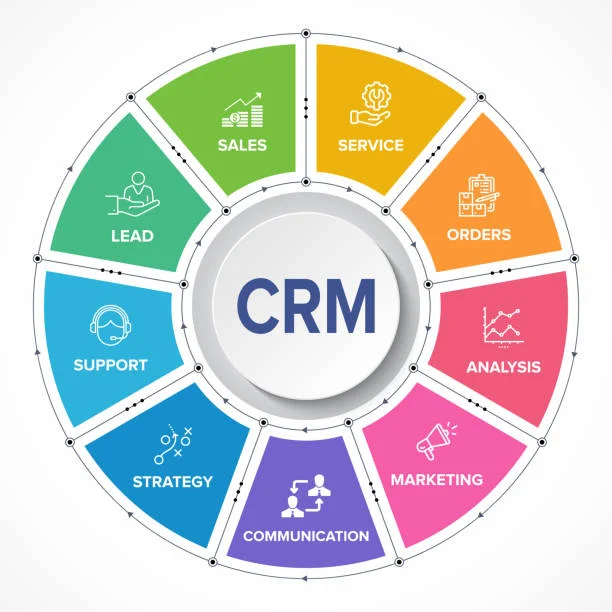
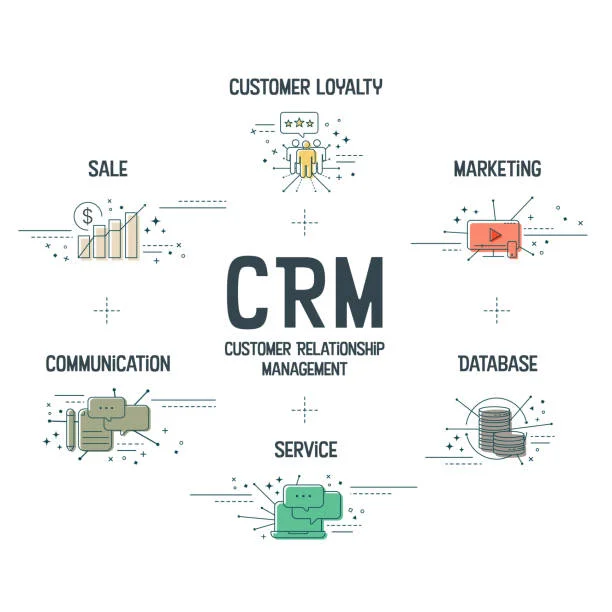
CRM software is designed to help businesses manage their interactions with current and potential customers. By centralizing customer information, CRM systems provide valuable insights that can lead to improved customer service, increased sales, and enhanced marketing efforts. These tools enable businesses to track customer interactions, automate processes, and analyze data to make informed decisions.
Importance of CRM in Today’s Business Environment
In an era where customer experience is paramount, CRM software plays a crucial role. According to recent statistics, 73% of businesses are expected to use CRM software by 2024, reflecting a growing recognition of its value across various industries
. The ability to provide personalized experiences and maintain strong customer relationships is essential for competitive advantage.
Trends in CRM Adoption in North Carolina
Growth of CRM Usage
North Carolina has emerged as a significant player in the U.S. CRM market, particularly in the Research Triangle, which is home to numerous technology companies and research institutions
. The region’s collaborative environment fosters innovation, leading to rapid growth in CRM adoption among startups and established enterprises alike.
Emphasis on Customer Experience
One of the driving factors behind the increasing adoption of CRM software in North Carolina is the heightened focus on customer experience. Businesses are realizing that providing seamless and personalized interactions is critical for retaining customers and driving sales
. As a result, many organizations are investing in robust CRM solutions that offer comprehensive data management capabilities.
Integration with Artificial Intelligence
The integration of artificial intelligence (AI) into CRM systems is another notable trend. AI enhances the functionality of CRMs by enabling predictive analytics, automating routine tasks, and providing deeper insights into customer behavior. Approximately 65% of businesses now utilize CRMs with generative AI features, which significantly boosts their chances of exceeding sales goals
.
Best Tools for Growth
As businesses in North Carolina seek to leverage CRM technology for growth, several platforms stand out due to their features, scalability, and user-friendliness:
1. Salesforce
Overview: Salesforce is widely regarded as one of the leading CRM solutions globally. It offers a comprehensive suite of tools that cater to businesses of all sizes.Key Features:
- Customizable dashboards for tracking sales performance.
- Automation tools for marketing campaigns.
- Extensive integration options with third-party applications.
Benefits: Salesforce helps businesses streamline operations and improve customer engagement through personalized communication strategies.
2. HubSpot
Overview: HubSpot provides a free CRM platform that is particularly popular among small to medium-sized enterprises (SMEs).Key Features:
- User-friendly interface with drag-and-drop functionalities.
- Email tracking and automation capabilities.
- Detailed reporting tools for analyzing sales performance.
Benefits: HubSpot enables SMEs to manage their customer interactions effectively without significant upfront costs.
3. Pipedrive
Overview: Pipedrive focuses on sales management and pipeline visualization.Key Features:
- Visual sales pipeline for tracking deals.
- Activity reminders and follow-up scheduling.
- Integration with various marketing tools.
Benefits: Pipedrive enhances sales productivity by providing clear visibility into the sales process.
4. Zoho CRM
Overview: Zoho CRM offers a flexible solution suitable for businesses looking for customizable features.Key Features:
- AI-powered sales assistant.
- Workflow automation capabilities.
- Multi-channel communication support.
Benefits: Zoho allows businesses to tailor their CRM experience according to specific needs, enhancing operational efficiency.
5. Monday.com
Overview: Monday.com’s CRM tool integrates project management features with customer relationship management.Key Features:
- Customizable workflows for managing leads.
- Collaboration tools for team communication.
- Automation features for repetitive tasks.
Benefits: This platform supports both project management and CRM functions, making it ideal for teams that need a unified approach.
Challenges in CRM Adoption
Despite the clear benefits associated with CRM software, organizations may face challenges during implementation:
User Adoption Resistance
Training employees on new systems can be daunting. Many users may resist adopting new technologies if they perceive them as complex or unnecessary
. To combat this resistance, companies should involve team members in the selection process and provide comprehensive training sessions.
Integration Issues
Integrating a new CRM system with existing tools can pose difficulties. Organizations must ensure that their chosen CRM can seamlessly connect with other platforms they use to avoid data silos and maintain workflow efficiency
.
Cost Considerations
While many CRMs offer scalable pricing models, initial costs can still be a concern for small businesses. It’s essential for organizations to evaluate their budget against potential ROI when selecting a CRM solution
.
Conclusion
The adoption of CRM software in North Carolina reflects a broader trend towards leveraging technology to enhance customer relationships and drive business growth. With platforms like Salesforce, HubSpot, Pipedrive, Zoho, and Monday.com leading the charge, organizations have access to powerful tools that can transform their operations. As companies continue to prioritize customer experience and integrate advanced technologies like AI into their processes, the future of CRM adoption looks promising.For further information on how you can optimize your business processes through effective CRM strategies, consider exploring additional resources on customer relationship management trends.