



Unlocking Growth with CRM Solutions in Pennsylvania: A Business Owner’s GuideIn the competitive landscape of Pennsylvania’s business environment, leveraging technology to enhance customer relationships is more crucial than ever. Customer Relationship Management (CRM) solutions offer a pathway to not only manage interactions with customers but also to drive growth and improve operational efficiency. This guide aims to provide Pennsylvania business owners with a comprehensive understanding of CRM solutions, their benefits, implementation strategies, and best practices for maximizing growth.
Understanding CRM Solutions
What is CRM?
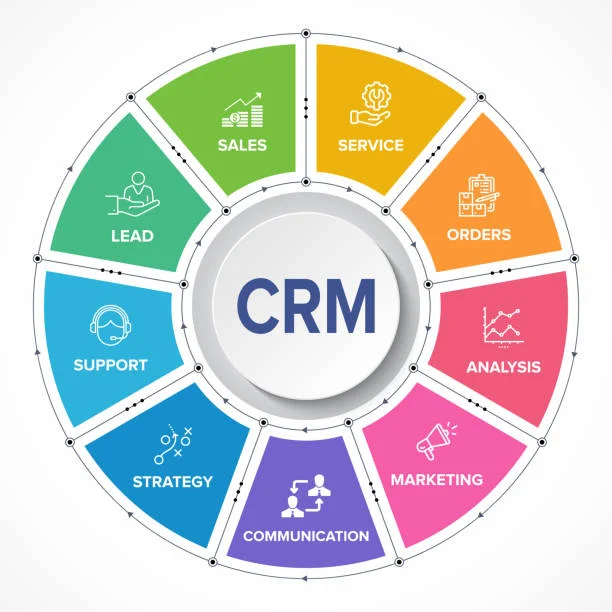
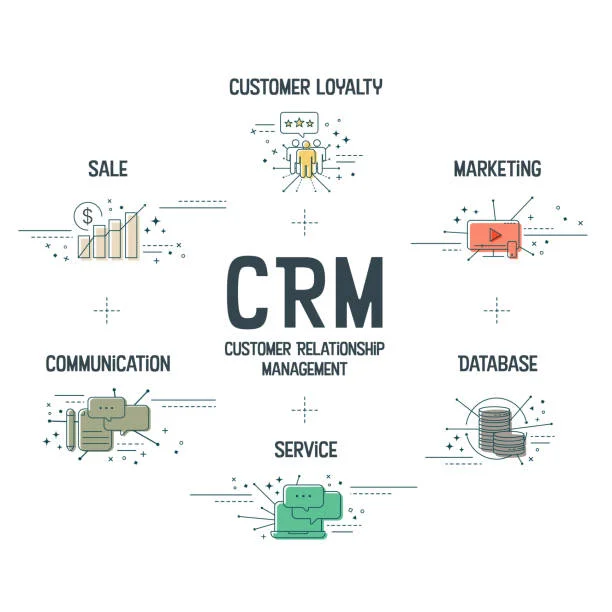
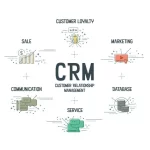
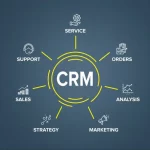
Customer Relationship Management (CRM) refers to a technology system that helps businesses manage their interactions with current and potential customers. By centralizing customer information, CRM systems enable businesses to streamline processes, improve customer service, and enhance sales efforts. The primary goals of CRM are to improve customer relationships, drive sales growth, and enhance overall customer satisfaction.
Types of CRM Solutions
- Operational CRM: Focuses on automating customer-facing processes such as sales, marketing, and service.
- Analytical CRM: Analyzes customer data to improve decision-making and identify trends.
- Collaborative CRM: Facilitates communication and collaboration among various departments within an organization.
The Importance of CRM for Pennsylvania Businesses
Enhancing Customer Relationships
In Pennsylvania’s diverse market, building strong relationships with customers is essential. CRM solutions help businesses track customer interactions and preferences, enabling personalized communication that fosters loyalty. According to Everest Customer Solutions, effective CRM systems integrate marketing and sales tools that allow businesses to engage customers through automated emails and analytics tracking
.
Driving Sales Growth
CRM systems can significantly impact sales performance by providing sales teams with insights into customer behavior and preferences. This data allows for targeted marketing campaigns and improved lead management, ultimately leading to higher conversion rates. PieSoft emphasizes that custom CRM solutions can be tailored to meet the specific needs of businesses, enhancing operational efficiency and driving sales growth
.
Improving Operational Efficiency
With the right CRM solution in place, businesses can automate routine tasks, streamline workflows, and reduce manual errors. This efficiency not only saves time but also allows employees to focus on more strategic initiatives that contribute to growth.
Implementing a CRM Solution in Pennsylvania
Assessing Business Needs
Before selecting a CRM solution, business owners should assess their specific needs. Considerations include:
- Size of the business
- Industry-specific requirements
- Existing technology infrastructure
- Budget constraints
Choosing the Right CRM Solution
When selecting a CRM system, businesses should evaluate various options based on features, scalability, ease of use, and integration capabilities. Popular CRM solutions include Salesforce, Microsoft Dynamics 365, and custom-built options from companies like Bacancy Technology
.
Custom vs. Off-the-Shelf Solutions
While off-the-shelf solutions may be suitable for some businesses, custom CRMs offer unique advantages by aligning closely with specific business processes. Custom solutions can be tailored to address unique challenges and workflows within an organization
.
Best Practices for Maximizing CRM Effectiveness
Training Employees
Investing in training ensures that employees are well-equipped to utilize the CRM system effectively. Comprehensive training programs should cover:
- System navigation
- Data entry protocols
- Reporting features
- Best practices for customer interaction
Regularly Updating Data
Maintaining accurate and up-to-date customer information is vital for effective CRM usage. Businesses should implement regular data cleaning processes to remove duplicates and outdated information.
Leveraging Analytics
Utilizing the analytical capabilities of a CRM system allows businesses to gain insights into customer behavior and preferences. This data can inform marketing strategies and product development efforts.
Integrating with Other Systems
Integrating the CRM system with other business tools such as ERP systems can enhance data sharing across departments. This integration fosters better communication and collaboration within the organization
.
Case Studies: Successful CRM Implementation in Pennsylvania
Example 1: A Retail Business in Philadelphia
A retail business in Philadelphia implemented a custom CRM solution that integrated sales tracking with inventory management. By centralizing data, the business improved its ability to forecast demand accurately, resulting in a 20% increase in sales over six months.
Example 2: A Service Provider in Pittsburgh
A service provider in Pittsburgh adopted an operational CRM that streamlined client communications through automated follow-ups and appointment scheduling. This led to improved client satisfaction ratings and a 15% increase in repeat business.
Conclusion
In conclusion, implementing a robust CRM solution is essential for Pennsylvania business owners looking to unlock growth opportunities. By enhancing customer relationships, driving sales growth, and improving operational efficiency, CRMs serve as a critical tool in today’s competitive marketplace. As businesses continue to evolve digitally, embracing these technologies will be key to sustaining long-term success.For additional information on how to choose the right CRM solution for your business needs or insights on best practices for implementation, consider exploring resources available at Everest Customer Solutions or similar consulting firms.